

Connecting Professionals Across the Globe for Building a Resilient Future
 |
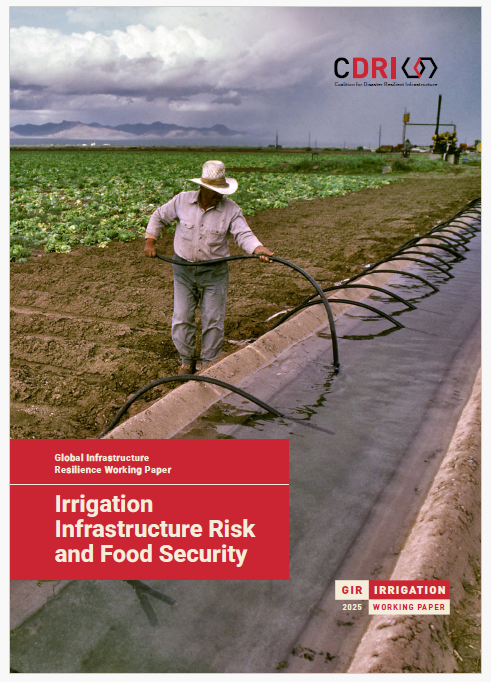
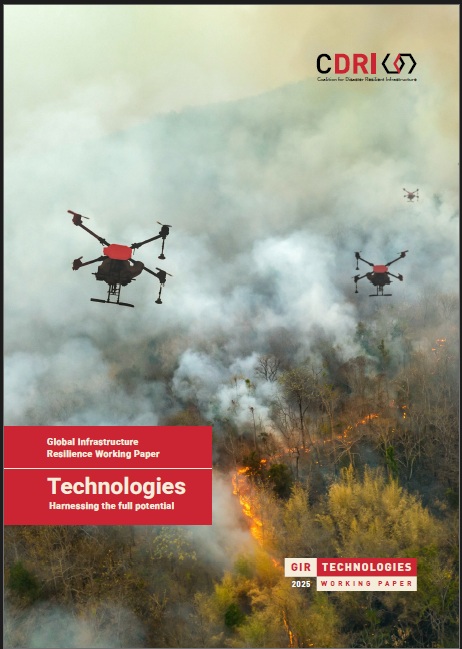
The Second Edition of Global Infrastructure Resilience (GIR) Report by CDRI emphasizes making infrastructure resilience a core economic strategy. Global disaster-related losses exceed $732 billion annually, with indirect costs averaging 7.4 times direct damages. Using GIRI model and Green Economy Model (GEM), it shows that faster reconstruction, within 10 years, can halve GDP losses. Key priorities include localized risk assessments, layered financing (bonds, insurance, contingency funds), and governance reforms to overcome regulatory gaps. Technologies like AI, drones, and digital twins, along with nature-based solutions, offer cost-effective resilience. Businesses and governments must embed resilience across planning, operations, and recovery. Africa and Small Island Developing States face disproportionate risks, while renewable energy and irrigation sectors need urgent adaptation. The report provides actionable frameworks, financing pathways, and case studies to capture the resilience dividend globally. The report is supported by working papers and blogs, covering chapters of the report. |
Risk Assessment |
|
|
|
  |
Economic Impacts |
Views of Infrastructure Professionals |
 |
 |
Financing |
Technology |
 |
 |
Nature-based Solutions (NbS) |
Impacts on Businesses |
|
|
 |