Connecting Professionals Across the Globe for Building a Resilient Future
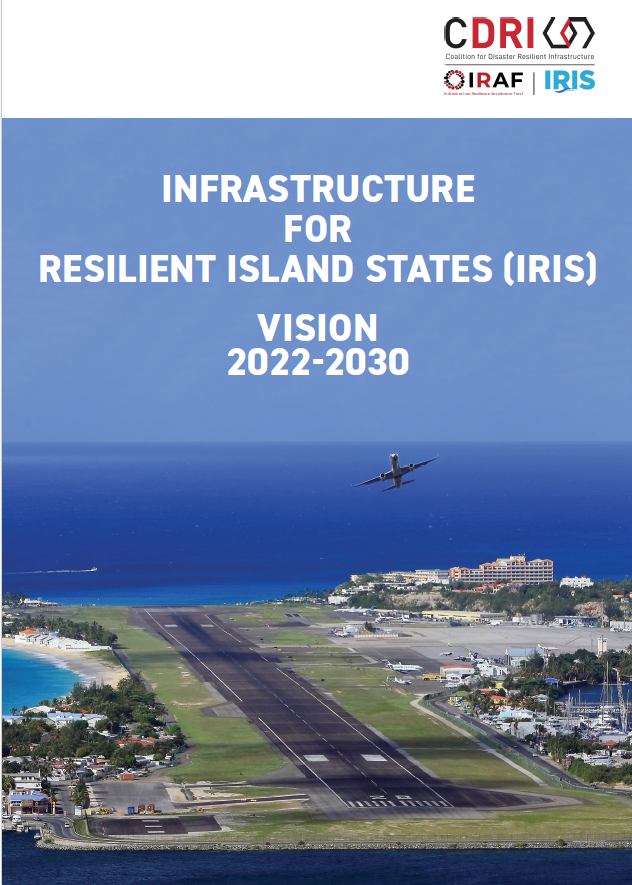 |
The IRIS Vision 2022-2030 document, developed by CDRI with insights from SIDS stakeholders, outlines the Infrastructure for Resilient Island States (IRIS) initiative, launched at COP26 to support Small Island Developing States (SIDS) in building resilient, sustainable, and inclusive infrastructure. SIDS face unique challenges due to climate change and development constraints. IRIS equips them with knowledge, tools, and partnerships for climate- and disaster-resilient infrastructure, aligning with the SAMOA Pathway. Its strategic interventions include risk-informed policy and planning, readiness support, and access to finance for long-term resilience. IRIS fosters peer learning, capacity development, and global partnerships while promoting gender equality and disability inclusion. It addresses regional vulnerabilities in the Pacific, Caribbean, and Indian Ocean islands. Through technical support and stakeholder collaboration, IRIS strengthens institutional frameworks and risk-informed decision-making for a sustainable future. Read the document here. |
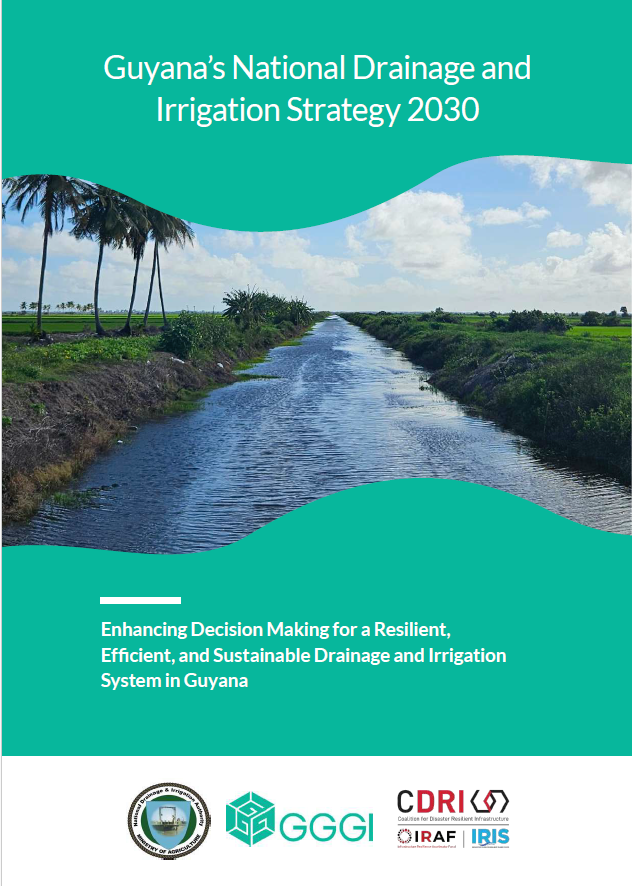
Sustainable Integrated Drainage and Irrigation (D&I) Systems in Guyana |
|
|
As the fastest growing economy in world, the Government of Guyana faces a massive challenge in channeling financing into effective development over the coming years. This project is designed to support the Ministry of Agriculture (MoA) in developing an Integrated Strategy for Draining and Irrigation (ISDI) for the period 2025-2030, aligning with the Low Carbon Development Strategy 2030 (LCDS 2030) and enabling inter-ministerial collaboration on Drainage and Irrigation (D&I) and flood management efforts. |
Making the case for resilient drainage and irrigation systems in Guyana Integrating Nature-Based Solutions into Drainage and Irrigation Systems |
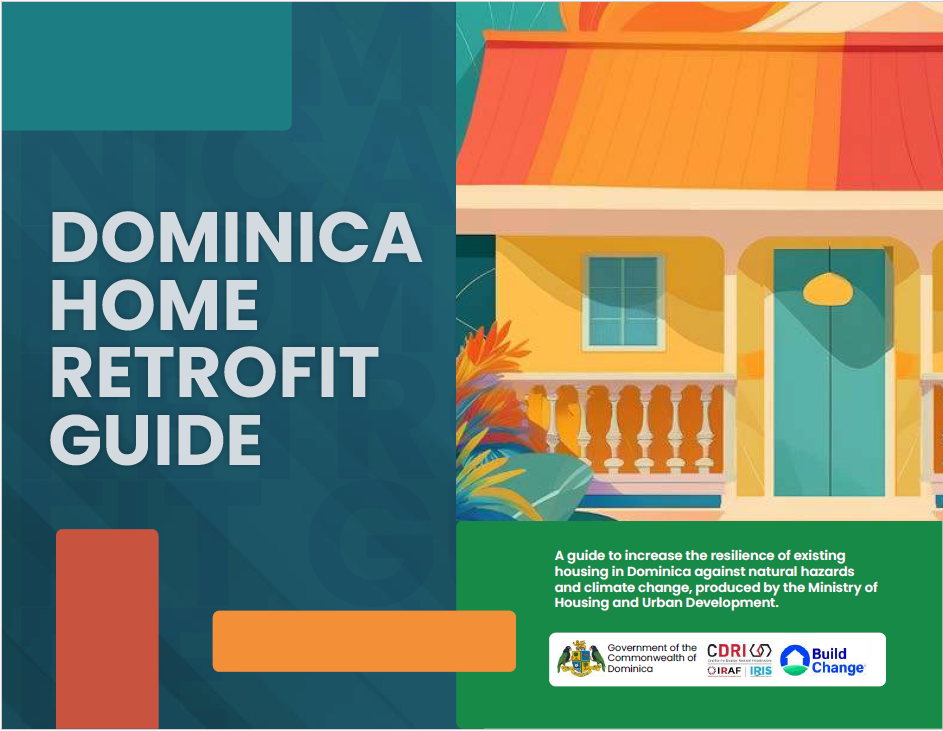
Data and Systems for Resilient Housing Programs, Dominica |
|
|
The project strengthens Dominica’s housing resilience by generating data-driven solutions and practical guidance for existing homes. It develops a statistically viable baseline that assesses the condition of the existing housing stock, providing a clear reference to track progress in national resilience-building programmes. Accessible guidelines for strengthening and upgrading housing are created, targeting homeowners and building professionals. A government-led home strengthening programme is designed, complete with supporting tools and systems, to mitigate disaster risks for vulnerable homes. Project learnings and resources are shared with other Small Island Developing States to enhance regional infrastructure resilience. Together, these elements establish the data, guidance, and institutional systems needed to improve the safety of existing housing against climate and disaster hazards. |
|