Sign Up
Sign In
About Us
About DRI Connect
Member Countries and Organizations
Partners
CDRI Initiatives
Resources
Publications
G20-India DRI Compendium
Case Studies
Blogs
Journals
White Papers
Videos
Events
Upcoming Events
Past Events
All Events
Communities of Practice
E-Learning
Sign Up
Sign In
Initiatives
Global Infrastructure Resilience (GIR) Report 2025
Global Infrastructure Resilience (GIR) Report 2023
About Us
About DRI Connect
Member Countries and Organizations
Partners
CDRI Initiatives
Resources
Publications
G20-India DRI Compendium
Case Studies
Blogs
Journals
White Papers
Videos
Events
Upcoming Events
Past Events
All Events
Communities of Practice
E-Learning
Sign Up
Sign In
Initiatives
Global Infrastructure Resilience (GIR) Report 2025
Global Infrastructure Resilience (GIR) Report 2023
Modal title
×
Event
×
Upcoming Events
Past Events
All Events
Select/Deselect Partner
PreventionWeb
WHO India
PAHO
ICIMOD
WRI (World Resources Institute)
BCG (Boston Consulting Group)
Prayas (Energy Group)
IORA (Indian Ocean Rim Association)
SEEDS India
PRIF (Pacific Regional Infrastructure Facility)
Build Change
ICSI (International Coalition for Sustainable Infrastructure)
ICLEI South Asia
UNEP (United Nations Environment Programme)
Deltares
GGGI (Global Green Growth Institute)
Select/Deselect Member
France
India
Afghanistan
Antigua and Barbuda
Argentina
Australia
Bangladesh
Bhutan
Brazil
Canada
Chile
Cuba
Dominican Republic
Fiji
Germany
Ghana
Guatemala
Guyana
Haiti
Honduras
Italy
Jamaica
Japan
Madagascar
Maldives
Mauritius
Mongolia
Nauru
Nepal
Netherlands
Peru
Samoa
South Sudan
Sri Lanka
Tajikistan
Tonga
Türkiye
United Kingdom
United States of America
Armenia
Colombia
Costa Rica
Grenada
Guinea
Kenya
Mauritania
New Zealand
Trinidad and Tobago
Viet Nam
Paraguay
Chad
Namibia
Ecuador
Gambia
Jordan
Liberia
Papua New Guinea
Seychelles
Select/Deselect Member Organisation
AUC (African Union Commission)
ARISE (Private Sector Alliance for Disaster Resilient Societies)
ADB (Asian Development Bank)
CAF (Development Bank of Latin America and the Caribbean)
CDEMA (Caribbean Disaster Emergency Management Agency)
EIB (European Investment Bank)
ECOWAS (Economic Community of West African States)
EU (European Union)
UNDP (United Nations Development Programme)
UNDRR (United Nations Office for Disaster Risk Reduction)
CEPREDENAC
The World Bank
Select/Deselect Tag
CDRI
ICDRI-2023
2022-23 Fellows
2021-22 Fellows
G20
UNDRR
Infrastructure Resilience
Infrastructure Resilience Academic eXchange (IRAX)
ICDRI
ICDRI-2022
Earthquake
Airports
Journal
Fellowship
Videos
ICDRI-2021
Resilient Infrastructure
Seaports
Health
IRIS
Capacity Building
GIRI
Power
Telecom
Water
Housing
IRAF
Urban Resilience
Masterclass
DRRWG
Standards and Certification
ICDRI-2024
Hurricane
Extreme heat
Tsunami
Landslide
Floods
Drought
Roads and Railways
Education
Water and wastewater
Risk Finance
Hydrometeorological
Earthquakes
Sealevel rise
High velocity winds
Buildings
Nature-based Infrastructure Solutions, NbIS
Seismic
Infrastructure Governance
Wildfires
Cyclones
Hurricanes
Storm surges
Glacial Lake Outburst Floods (GLOFs)
Cloudburst
Heavy rain
Sea level rise
Avalanche
Debris flow
Pollution
Meteorological
Riverine flood
Urban flooding
Erosion control
Heatwave
Water scarcity
Rainfall-induced landslides
Rockfalls
Cascading impacts
Transboundary risks
Extreme weather
Mudslides
Oil and gas
EBA - Ecosystem based Approaches
EBS - Ecosystem based Services
Green-Gray infrastructure
Green infrastructure
Hybrid infrastructure
Community-based approaches
Standards and Codes
Africa
GIRR
ICDRI-2025
Nepal
Capacity Development
Global
Multi-hazard
Multi-sectoral
Risk Data and Modelling
Urban Planning
Innovative Financial Mechanisms
Disaster Management
Health Infrastructure Resilience
G20-India
G20-Brazil
Gender
Disaster Risk Finance
SIDS
Fellowship 2021-22
Fellowship 2022- 23
GIRR-2025
Technology
GIR-2025
Economic Impacts
Mountain Programme
Tonga
Chile
ADB
Urban
Transport
COP-26
Fellowship 2024-25
COP-27
G20-South Africa
Madagascar
Fiji
Fellowship 2024-24
COP-28
COP-29
COP-30
GIR-2023
GEDSI
Drainage
Irrigation
IRIS Learning Webinar 2: Strengthening Resilient Transport Infrastructure in Papua New Guinea
October 14, 2026, 10:30 am
88 Enrolled
View Recording
DRI Dialogue Learning from Disaster Series | Dialogue 1: Lessons for Disaster-Resilient Infrastructure - Impacts of Venezuela Doublet Earthquake
September 30, 2026, 7:00 pm
94 Enrolled
View Recording
IRIS Learning Webinar 1: Multi-threat Early Warning System in the Dominican Republic
September 9, 2026, 6:30 pm
122 Enrolled
View Recording
Taking Stock of Infrastructure Resilience in Sub-Saharan Africa: Insights from the Global Infrastructure Resilience Survey
August 27, 2026, 3:30 pm
https://zoom.us/webinar/register/WN_EmiTyRqlSoKblMV0uQzCxw
5 Enrolled
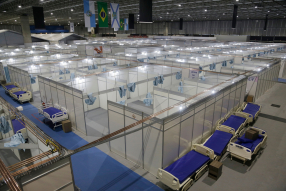
Inter-Regional Resilient Hospitals Dialogue 2026: Building Bridges for Strengthening Health Facilities' Resilience to Health Emergencies and Disasters
August 4, 2026, 5:30 pm
https://paho-org.zoom.us/webinar/register/WN_D_90wVjCRNq-poC1D1DlJg#/registration
5 Enrolled
View Recording
DRI Dialogue Series: Building Resilience of Infrastructure in Atoll Nations - Dialogue 3: Enabling Private Sector Engagement for Resilient Infrastructure
August 19, 2026, 10:30 am
155 Enrolled
View Recording
Information Webinar: UIRP Brazil Call for Proposals
July 21, 2026, 6:00 pm
37 Enrolled
View Recording
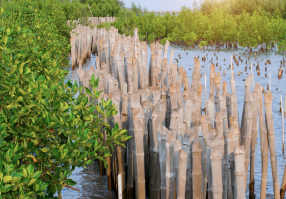
Nature for Climate and Resilience: Pathways for Sustainable Infrastructure
July 8, 2026, 4:30 pm
188 Enrolled
View Recording
UWIR Learning Webinar 3: Multi-level Governance and Sustainable Finance
July 31, 2026, 4:30 pm
254 Enrolled
View Recording
UWIR Learning Webinar 2: Risk Assessment and Nature-based Solutions
July 22, 2026, 4:30 pm
321 Enrolled
View Recording
UWIR Learning Webinar 1: Series Launch and Introduction to Urban Water Infrastructure Resilience
July 15, 2026, 4:30 pm
269 Enrolled
View Recording
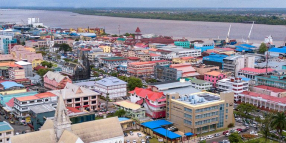
From Flood Reaction to Anticipation: Data-Driven Infrastructure Prioritization in Guyana
June 23, 2026, 6:30 pm
85 Enrolled
View Recording
Taking Stock of Infrastructure Resilience in Europe and Central Asia: Insights from the Global Infrastructure Resilience Survey
June 11, 2026, 4:30 pm
Joining Link: https://zoom.us/webinar/register/WN__oHmeIXzS5WSUjpkVLy3AQ#/registration
3 Enrolled
Building Infrastructure Resilience in IORA Member States - Webinar 3: Financing Resilient Infrastructure
June 17, 2026, 12:30 pm
105 Enrolled
View Recording
Capturing the Resilience Dividend in the Pacific: Dissemination Webinar on Global Infrastructure Resilience 2025 (GIR 2025) Report
May 21, 2026, 7:30 am
137 Enrolled
View Recording
Webinar on Heat-Smart Schools
April 17, 2026, 1:30 pm
255 Enrolled
View Recording
Masterclass on Infrastructure Risk Assessment: The GIRI Approach
March 30, 2026, 5:30 pm
178 Enrolled
View Recording
Building Infrastructure Resilience in Africa - Webinar 2: Governance for Resilient Infrastructure
March 3, 2026, 7:00 pm
212 Enrolled
View Recording
DRI Dialogue Series: Building Resilience of Infrastructure in Atoll Nations - Dialogue 2: Financing Resilient Critical Infrastructure
March 10, 2026, 8:30 am
95 Enrolled
View Recording
Building Infrastructure Resilience in IORA Member States - Webinar 2: Resilient Housing
February 19, 2026, 12:30 pm
152 Enrolled
View Recording
×
DRI Event
×
1
2
3
4







 October 14, 2026, 10:30 am
 88 Enrolled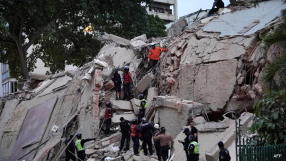


 August 27, 2026, 3:30 pm
 https://zoom.us/webinar/register/WN_EmiTyRqlSoKblMV0uQzCxw










 View Recording