
|
Introduction to the Initiative Purnima, a five-year programme (2017-2022), supported Nepal’s recovery from the earthquakes which devastated the country in 2015. The programme stimulated and supported for long-term positive change in the lives of people in earthquake-affected regions of Nepal through the reconstruction of rural infrastructure, institutional strengthening, and economic and social recovery with a focus on the most vulnerable, particularly the extremely poor, elderly, people with disabilities, single women and those displaced by the earthquake. The programme worked mainly in four of the worst affected districts (Gorkha, Dhading, Nuwakot, and Rasuwa) to strengthen the capacity of local government, reconstruct critical infrastructure, address private sector constraints to infrastructure, and to reach those left behind in the earthquake recovery. Purnima aimed to ‘build back better’. This was not just to reconstruct damaged infrastructure but to strengthen the ability of local government to deliver inclusive services and infrastructure; to rebuild safer, more resilient, and inclusive infrastructure; and to support the most vulnerable people to stimulate more resilient livelihoods. The programme targeted the poorest food-insecure households, the elderly, disabled people, internally displaced persons, marginalised groups and single women and applied a ‘leave no one behind’ (LNOB) lens to all our programme activities, including capacity development of local government, physical reconstruction of infrastructure, and private sector development. |
|
|
Detailed Description of the Initiative Delivery of resilient infrastructure was one of the output areas of Purnima, which was underpinned by ‘build back better’ approach. The infrastructure output area had four main intervention areas: 1) rural Water supply, sanitation and hygiene (WASH), 2) school buildings, 3) trail bridges and 4) foot trails. Purnima rebuilt infrastructure damaged by the earthquake and provided new better infrastructure where needed to make communities more resilient, with improved services. For the resilience and sustainability of infrastructures, Purnima carefully addressed emerging challenges resulting from climate change (floods, droughts and landslides) and other multiple hazards (earthquake) as well as the numerous other profound changes affecting rural Nepal (such as federalism, migration, urbanisation, road construction, education and so on) to facilitate sustainable and inclusive growth. It planned post-earthquake recovery to stimulate resilient institutions, infrastructure and systems, and this is closely aligned with the newly approved GRID approach for green, resilient and inclusive development. The programme worked with ministries and sectors at the federal, provincial and local levels to ensure the approach is embedded in government systems, as well as with the private sector and civil society. Purnima worked with Local Governments (22 municipalities) to support inclusive governance and planning, better infrastructure and service delivery and institutional resilience. The infrastructure the programme rebuilt was selected through a participatory and inclusive planning process, working closely with the local government to identify priorities. |
|
|
Learnings and Impact Selection priority: Priority of the (local) government and inclusion in the (local) planning process; Considerations of vulnerability of communities, ensuring that all members were covered (“Leave No One Behind”). The sustainability of infrastructure depends on good project selection: Plan and design for quality and sustainability: e.g., Climate is an important factor, both to ensure that infrastructure is safe and that infrastructure aids adaptation. Seismic design for buildings is crucial and these should comply with the building code, as well as avoid sites at risk of landslide damage. Quality is a key factor for resilience and sustainability. All infrastructure was designed to be climate resilient to ensure sustainability. Resilience was in-built in the engineering design, location of sites, and construction methodologies and technology transfer to the local communities. Invest significant time and resources in community mobilisation: Rural infrastructure relies on strong local (palika, ward and community) buy-in and involvement from the planning phase through to long-term operation and maintenance. A major part of the planning and design phases needs to be dedicated to community mobilisation, training and awareness to ensure demand for the infrastructure, capacity to build and manage it safely, and awareness of the users’ responsibilities. Ownership of government: The (local) government / Palikas own the infrastructure and must be committed to management, including supporting users’ groups (in places where they have delegated responsibility for management) as well as agreeing to provide financial support for major repairs. As well as their involvement in the planning process, LGs / palikas also committed funds for initial construction. Equity of impact of infrastructure: Focus on social and economic outcomes for most vulnerable. Infrastructure is important for building resilience. Focus on management and use of infrastructure for resilient livelihoods, including micro-irrigation of high value crops, targeted at landless / land-poor and water-poor households. Resilience of infrastructure depends on various areas:
Supporting the systems approach for sustainability and resilience of services and infrastructures: Purnima worked with (local) governments, private sectors, civil societies for policy environment (as all stage i.e., select, design, deliver, monitor and post-completion O&M); to address challenges for supply chain, and achieve social outcomes of infrastructures etc. Through infrastructure output, programme delivered safe, climate resilient, and sustainably managed infrastructure:
|
|
|
|
|
|
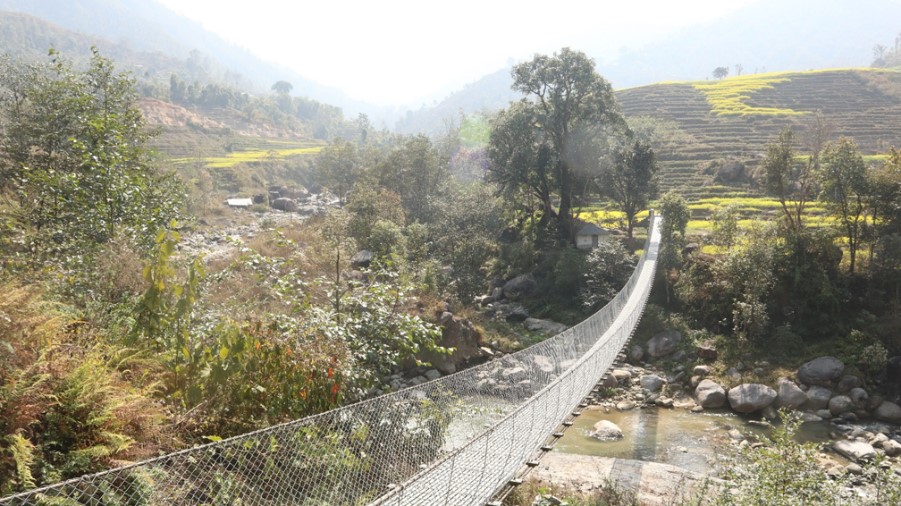
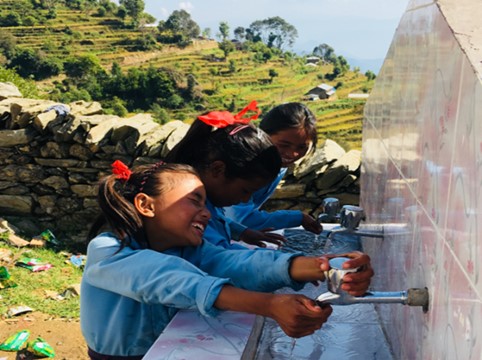
Image-1: Suspended Bridge and Drinking Water Facility at a School funded by Purnima |
|
|
|
|
|
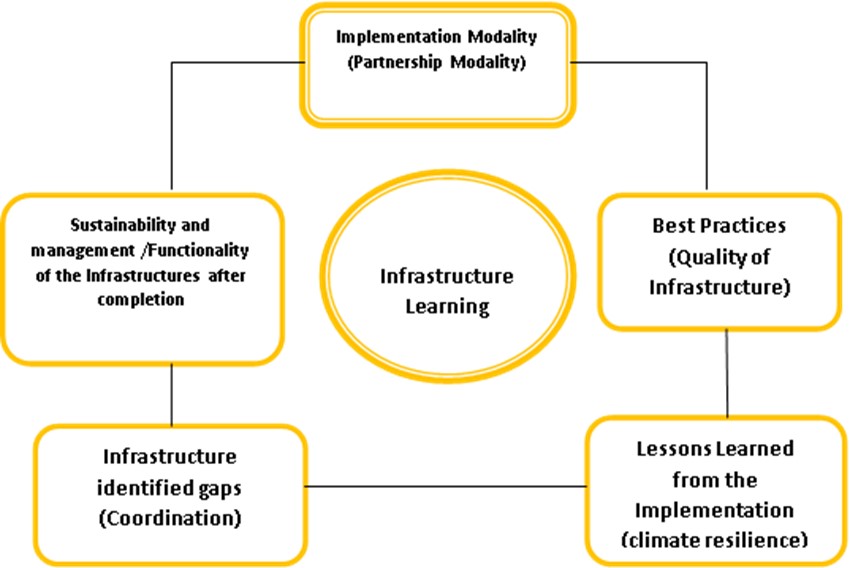
Figure-1: Different Stages and Important Lessons from Every Stage of the Project Life Cycle from Planning and Design to Delivery and Post-Completion |
|
|
Acknowledgement This case study has been contributed by Foreign Commonwealth and Development Office (FCDO), Government of United Kingdom |
|
|
Disclaimer: This Compendium of Good Practices on Disaster Resilient Infrastructure (DRI) has been compiled through content contributions from G20 member countries, invited countries and international organisations. The contents and views expressed in this website publication reflect the opinions of the contributing agencies and are not necessarily the official views of CDRI. |
|