




 |
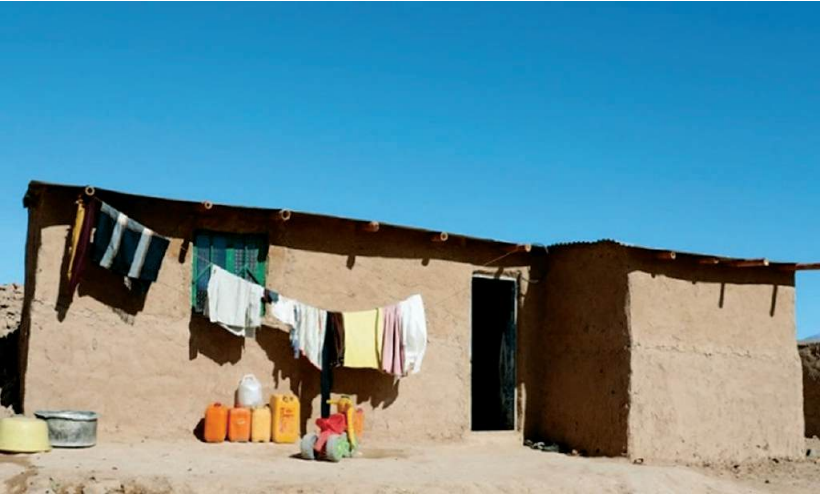
This case study provides examples of community-led resilient housing recovery projects in Afghanistan that empowered the local communities by incorporating hazard-resistant features into familiar vernacular design, thereby bridging tradition and safety. The extreme vulnerability of Afghanistan's housing stock was exposed after the June 2022 earthquake in Paktika and Khost provinces and the Herat earthquakes in October 2023. The case study shows how use of local materials and traditional techniques combined with appropriate seismic safety features made the houses more adaptable to local climate conditions, leading to natural energy efficiency and to resilience to natural hazards. It also demonstrates that not all damaged homes require full reconstruction. Retrofitting of partially damaged vernacular houses proved to be more cost effective, time-efficient and culturally sensitive, while also reinforcing community trust in their traditional building knowledge. Click to Read |
