CDRI is hosting a Learning Webinar Series on “Infrastructure Resilience in Island States” in collaboration with IRIS project implementing partners to disseminate the key lessons, outcomes, and next steps from the First Cohort projects that will reach operational closure in 2026. Commenced in September 2026, the webinars will be hosted on DRI Connect (CDRI’s knowledge exchange, learning, and collaborative platform) to share knowledge, good practices, and foster peer-to-peer learning in SIDS regions.
Each webinar will combine presentations by the implementing teams and government representatives along with reflections by IRIS donors, regional experts, and partner organizations to facilitate experiential learning across the SIDS regions. The presentations will emphasize the project approach, outcomes, learnings, and impacts and will adopt mixed methods, such as technical insights, training and awareness metrics, knowledge products developed, tools or data dashboard demonstrations, and testimonial videos.
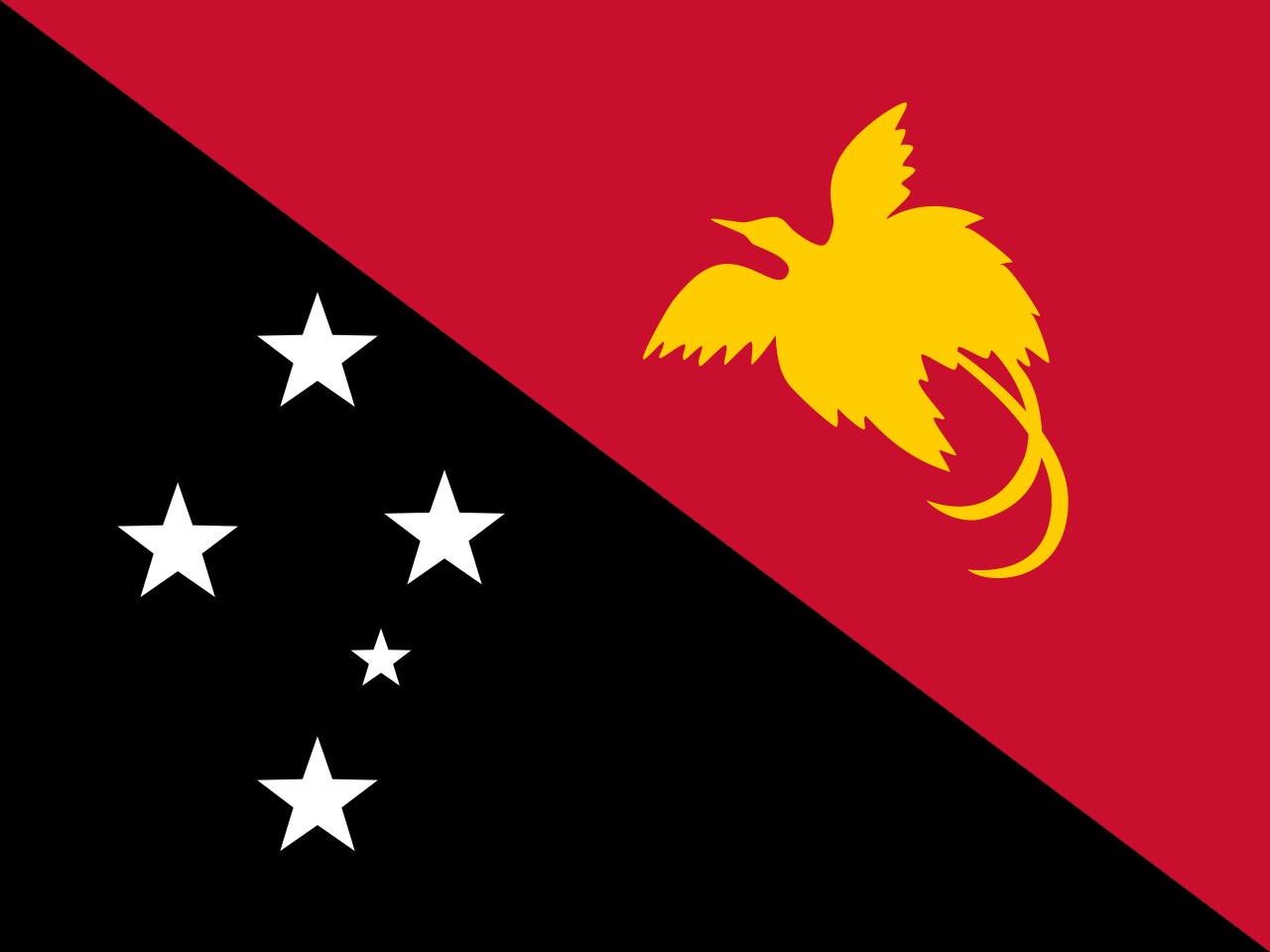
The second webinar in this series will spotlight the project titled ‘Strengthening Institutional and Technical Capacity for Climate Resilient Transport Infrastructure Development in Papua New Guinea’ which is being hosted in collaboration with the Global Green Growth Institute (GGGI) along with the Department of Works and Highways, the Government of the Dominican Republic. The project provides a comprehensive framework for integrating climate and disaster resilience into the planning, design, construction, operation, maintenance and rehabilitation of road and bridge infrastructure in Papua New Guinea.
The key objectives and outputs of the project included:
- Support the government to shift towards climate-resilient road infrastructure planning by strengthening technical and institutional capacity.
- Train the Department of Works and Highways (DoWH) officers on climate-resilient transport infrastructure development, integrating gender equality and social inclusion (GESI) considerations.
- Develop and pilot Climate Hazard Risk and Vulnerability Assessment (CRVA) Guidelines incorporating GESI inclusive solutions on identified priority road to inform resilient investment and maintenance decisions.
- Update and revise climate-resilient road design standards and guidelines on climate proofing transport infrastructure with GESI integration.
- Develop operational manuals to guide climate-resilient planning for the entire road infrastructure lifecycle—planning, design, construction, and maintenance—embedding climate and GESI considerations and validate through stakeholder consultations.
- Sensitize private sector entities to adopt the climate-resilient road guidelines and manuals.
This webinar will focus on the project’s key achievements, challenges faced, measures taken to overcome these, knowledge materials and outputs developed, lessons learned, and the outreach and scaling up strategies.
CDRI is hosting a Learning Webinar Series on “Infrastructure Resilience in Island States” in collaboration with IRIS project implementing partners to disseminate the key lessons, outcomes, and next steps from the First Cohort projects that will reach operational closure in 2026. Commenced in September 2026, the webinars will be hosted on DRI Connect (CDRI’s knowledge exchange, learning, and collaborative platform) to share knowledge, good practices, and foster peer-to-peer learning in SIDS regions.
Each webinar will combine presentations by the implementing teams and government representatives along with reflections by IRIS donors, regional experts, and partner organizations to facilitate experiential learning across the SIDS regions. The presentations will emphasize the project approach, outcomes, learnings, and impacts and will adopt mixed methods, such as technical insights, training and awareness metrics, knowledge products developed, tools or data dashboard demonstrations, and testimonial videos.
The second webinar in this series will spotlight the project titled ‘Strengthening Institutional and Technical Capacity for Climate Resilient Transport Infrastructure Development in Papua New Guinea’ which is being hosted in collaboration with the Global Green Growth Institute (GGGI) along with the Department of Works and Highways, the Government of the Dominican Republic. The project provides a comprehensive framework for integrating climate and disaster resilience into the planning, design, construction, operation, maintenance and rehabilitation of road and bridge infrastructure in Papua New Guinea.
The key objectives and outputs of the project included:
- Support the government to shift towards climate-resilient road infrastructure planning by strengthening technical and institutional capacity.
- Train the Department of Works and Highways (DoWH) officers on climate-resilient transport infrastructure development, integrating gender equality and social inclusion (GESI) considerations.
- Develop and pilot Climate Hazard Risk and Vulnerability Assessment (CRVA) Guidelines incorporating GESI inclusive solutions on identified priority road to inform resilient investment and maintenance decisions.
- Update and revise climate-resilient road design standards and guidelines on climate proofing transport infrastructure with GESI integration.
- Develop operational manuals to guide climate-resilient planning for the entire road infrastructure lifecycle—planning, design, construction, and maintenance—embedding climate and GESI considerations and validate through stakeholder consultations.
- Sensitize private sector entities to adopt the climate-resilient road guidelines and manuals.
This webinar will focus on the project’s key achievements, challenges faced, measures taken to overcome these, knowledge materials and outputs developed, lessons learned, and the outreach and scaling up strategies.
See Less




 October 14, 2026, 10:30 am
 2 Enrolled